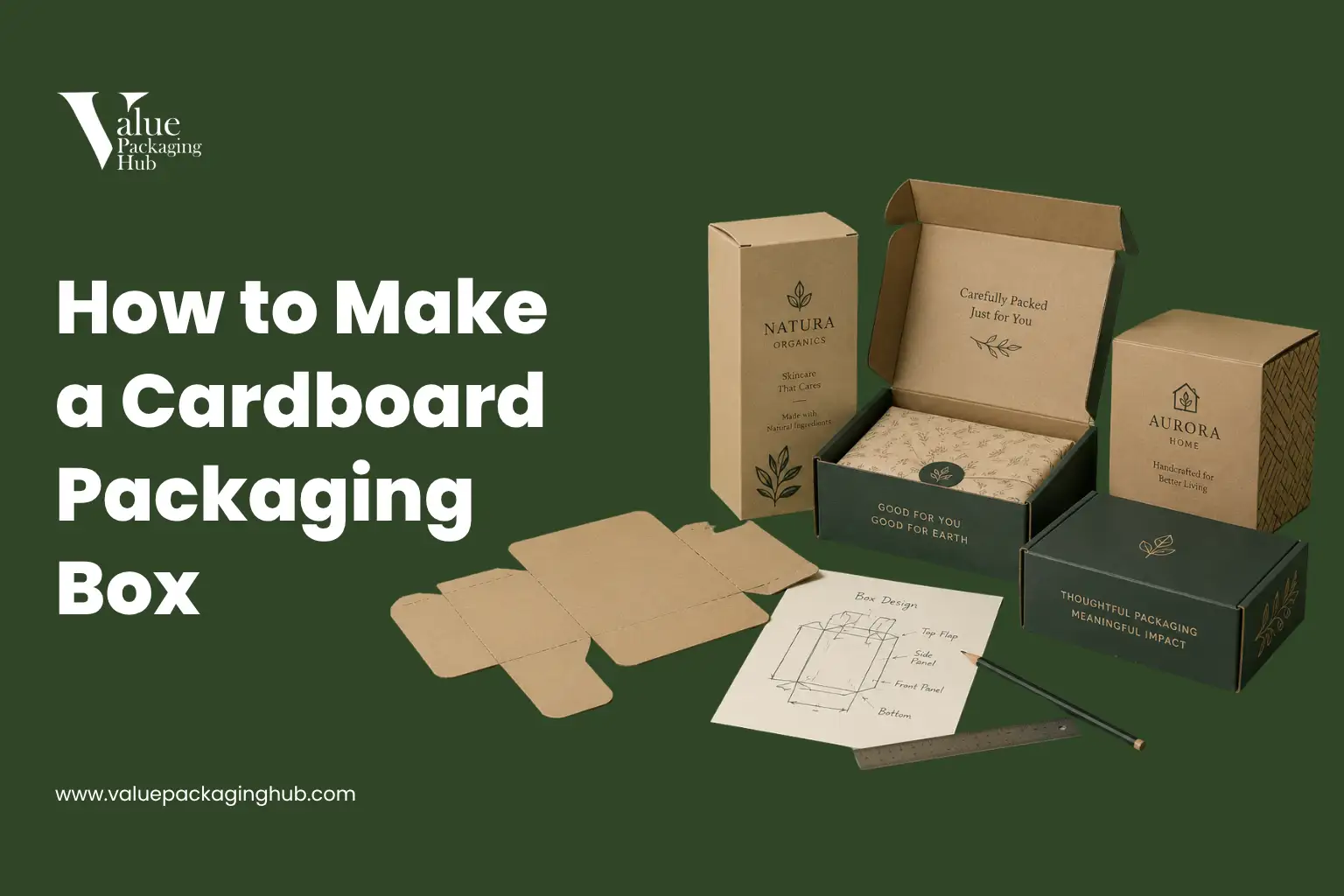
How to Make a Cardboard Packaging Box
Have you ever wondered how to make a cardboard packaging box that looks professional, protects products, and represents your brand effectively? Whether you’re launching a small business, shipping products from home, or creating packaging prototypes, understanding the box-making process can help you design better packaging and reduce unnecessary costs.
The good news is that making a basic cardboard box packaging solution is easier than most people think. With the right materials, measurements, and folding techniques, you can create sturdy packaging for products of all shapes and sizes.
In this guide, you’ll learn exactly how to make a cardboard packaging box, the tools you’ll need, common mistakes to avoid, and when it makes sense to switch from DIY packaging to professionally manufactured custom cardboard packaging boxes.
Key Takeaways
- Learning how to make a cardboard packaging box starts with choosing the right material and dimensions.
- Corrugated cardboard packaging offers the best protection for shipping and ecommerce products.
- Proper measuring, cutting, and scoring techniques make boxes stronger and more professional.
- Custom packaging isn’t just about protection—it also supports branding and customer experience.
- DIY boxes work for prototypes, but growing businesses often benefit from professionally manufactured custom cardboard packaging boxes.
What Is a Cardboard Packaging Box?
At its core, a cardboard packaging box is designed to protect, transport, and present a product. But today’s packaging does far more than that.
Think about brands like Apple. Before customers even touch the product, they’re already forming an opinion based on the packaging. The box communicates quality, attention to detail, and brand identity. The same principle applies whether you’re selling handmade candles, cosmetics, coffee, electronics, or apparel.
Most packaging boxes fall into two main categories. Folding cartons are commonly used for retail products such as cosmetics and food items, while corrugated boxes are designed for shipping and ecommerce. The latter includes a fluted layer between two liners, creating the durability needed to withstand handling during transportation.
This is why corrugated cardboard packaging has become the industry standard for ecommerce brands across the USA.
What Materials Do You Need to Make a Cardboard Packaging Box?
Before cutting or folding anything, it’s important to understand the material you’re working with. Not all cardboard performs the same way.
For lightweight retail products, paperboard is often sufficient. It’s easy to print on and works well for product presentation. However, if your goal is to ship products safely, corrugated cardboard packaging is usually the better option because it provides additional strength and cushioning.
Beyond the cardboard itself, you’ll need a few basic tools:
- Measuring tape or ruler
- Pencil or marker
- Straight edge
- Utility knife
- Scoring tool
- Packaging tape or adhesive
While these tools are simple, precision matters. Even small measurement errors can lead to weak corners, uneven folds, or boxes that don’t properly fit the product.
How to Make a Cardboard Packaging Box: Step-by-Step
Making a box starts long before the first cut. The most important step is understanding the product you’re packaging.
Step 1: Measure the Product Carefully
Start by measuring the length, width, and height of the product. If protective inserts, tissue paper, foam, or bubble wrap will be used, include those dimensions as well.
A common mistake is creating a box that fits the product perfectly but leaves no room for protection. That usually results in damaged products during shipping.
Step 2: Create a Box Layout
Once you know the dimensions, sketch a simple template showing the base, side panels, flaps, and glue tabs.
Packaging manufacturers call this a dieline. While professional dielines are created using specialized software, a simple hand-drawn template is enough for a prototype.
This step helps visualize how the box will fold together and ensures all dimensions are accurate before cutting begins.
Step 3: Cut the Cardboard
Using a straight edge and sharp utility knife, carefully cut along the marked lines.
One of the biggest mistakes beginners make is trying to cut through thick cardboard in a single pass. Professionals usually make several lighter passes because it produces cleaner edges and reduces tearing.
Accurate cutting is especially important when creating custom cardboard packaging boxes, where every panel needs to align perfectly.
Step 4: Score and Fold
Before folding, lightly score all fold lines using a scoring tool or the back of a knife blade.
Scoring creates a controlled crease that allows the cardboard to bend cleanly without cracking. This simple step dramatically improves both appearance and durability.
If you’ve ever received a shipping box with sharp, clean edges, scoring was likely part of the manufacturing process.
Step 5: Assemble and Test
Once folded, secure the glue tabs using adhesive or packaging tape. Then test the box with the actual product inside.
Check for:
- Structural strength
- Product movement
- Lid alignment
- Corner stability
- Ease of opening
If adjustments are needed, it’s much easier to revise a prototype now than after producing multiple boxes.
Why Do Businesses Invest in Custom Cardboard Packaging?
Making a box is one thing. Turning that box into a branding tool is another.
This is where custom cardboard packaging, custom printed cardboard packaging, and branded packaging boxes become valuable.
Packaging often creates the first physical impression of a brand. A generic brown box may protect a product, but it rarely creates excitement. Branded packaging, on the other hand, can reinforce trust, improve customer experience, and encourage repeat purchases.
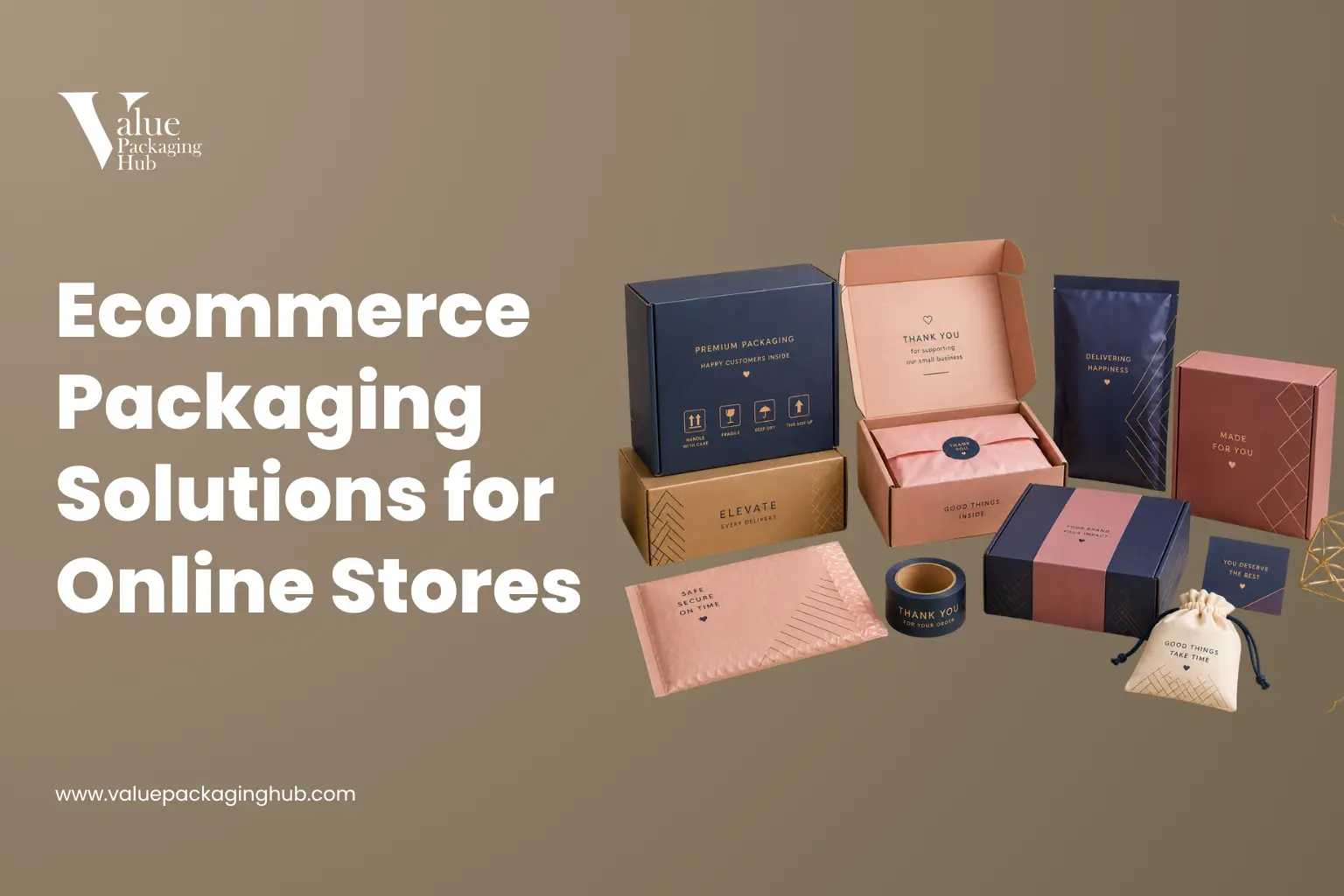
Many ecommerce businesses now invest in:
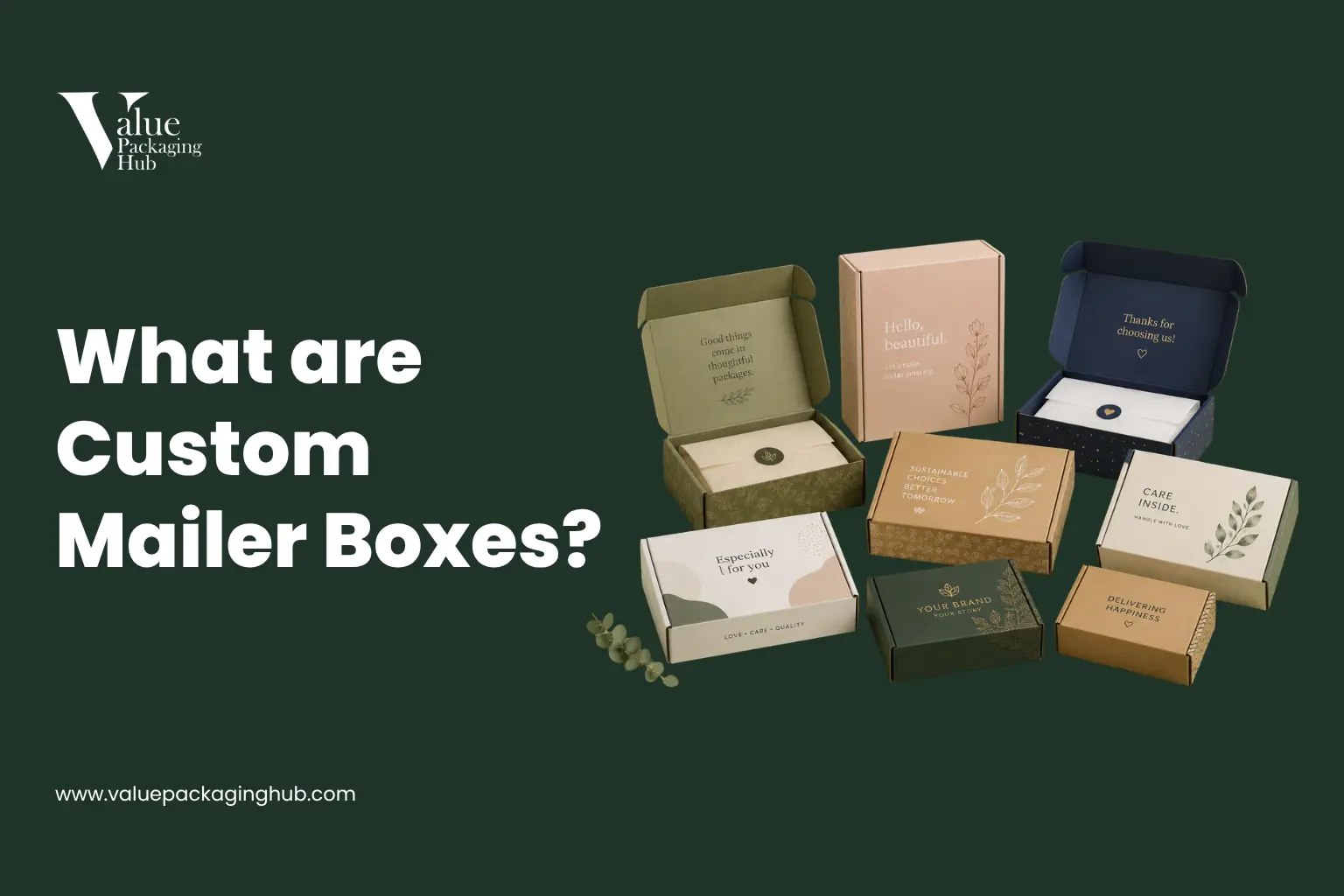
- Branded mailer boxes
- Printed inserts
- Custom tissue paper
- Product-specific packaging
- Custom printed cardboard packaging
The goal isn’t simply protection—it’s creating a memorable experience.
DIY vs Professional Packaging: Which Is Better?
For prototypes and small production runs, DIY packaging makes sense. It allows businesses to experiment with dimensions, materials, and structures before committing to larger orders.
However, once order volume increases, professionally manufactured custom cardboard boxes typically become the more efficient option.
DIY Packaging | Professional Packaging |
Good for testing | Ideal for scaling |
Lower startup cost | Consistent quality |
Limited branding | Full customization |
Manual production | Efficient large-volume production |
Suitable for prototypes | Suitable for retail and ecommerce |
Many growing brands eventually work with packaging specialists because professionally manufactured boxes improve consistency, branding, and operational efficiency.
Conclusion
Understanding how to make a cardboard packaging box provides valuable insight into how packaging works, whether you’re creating a prototype, launching a product, or building a packaging strategy for your business.
The process itself is relatively straightforward: measure carefully, choose the right material, create an accurate template, score your folds, and test the final structure. But great packaging goes beyond construction. It combines protection, presentation, and branding into a single customer experience.
For businesses looking to move beyond DIY solutions, Value Packaging Hub offers custom cardboard packaging with free design support and free delivery across the USA. Whether you need retail packaging, ecommerce boxes, or fully branded shipping solutions, our team can help create packaging that protects products while strengthening your brand.
Frequently Asked Questions
What materials are needed to make a cardboard packaging box?
You’ll typically need cardboard, a ruler, measuring tape, a cutting tool, adhesive, and a scoring tool. Corrugated cardboard packaging is usually the preferred material for shipping applications because of its durability.
How do I measure cardboard for a custom packaging box?
Measure the product’s length, width, and height first, then add space for protective materials and inserts. Always calculate internal dimensions before determining external box size.
How do I cut cardboard accurately for box making?
Use a sharp utility knife, a straight edge, and a cutting mat. Multiple light cuts usually produce cleaner results than one deep cut.
What type of cardboard is best for packaging boxes?
For shipping, corrugated cardboard packaging is generally the best option because it provides strength, cushioning, and durability.
Can cardboard packaging be recycled?
Yes. Most cardboard packaging materials are recyclable, making them an environmentally friendly packaging choice when properly disposed of.